why Hate and Discrimination?
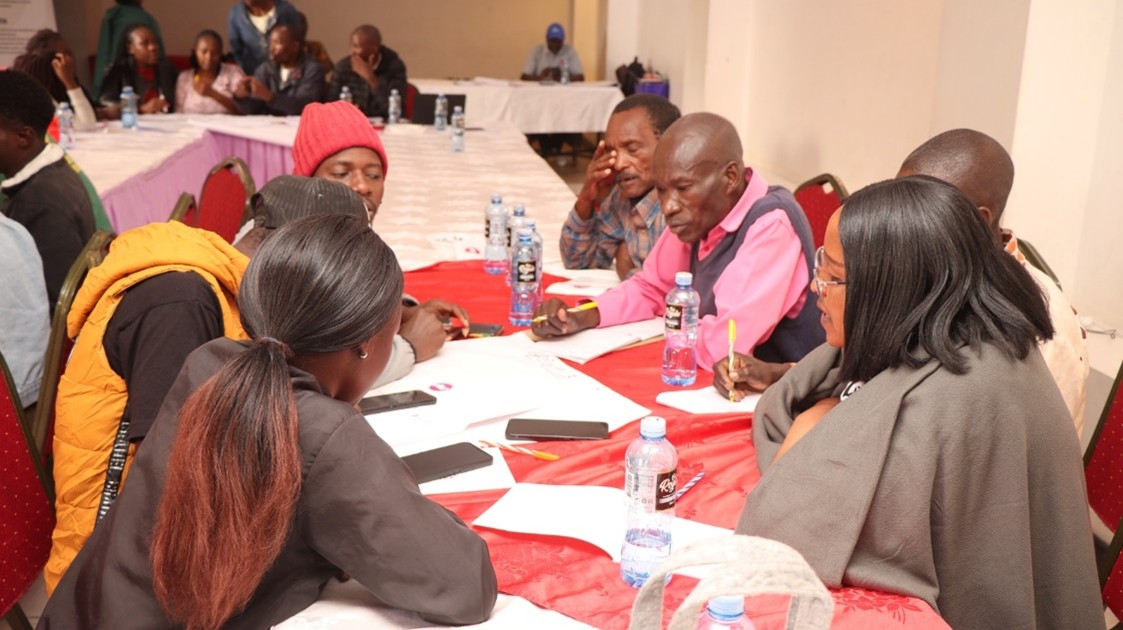
Why Hate Is a Development Issue, Not Just a Social One. Development is more than infrastructure, services, or economic opportunity. Development is also shaped by the quality of relationships within a community: how people perceive one another, how differences are managed, and how trust is built or eroded over time.Hate is often discussed as a social or moral issue, but its impact extends far beyond attitudes and beliefs. When left unaddressed, hate quietly undermines development by weakening social cohesion, limiting participation, and reducing collective responsibility. Communities where mistrust and hostility take root struggle to collaborate, resolve conflict peacefully, or sustain long-term progress. In many settings, hate does not emerge overnight. It grows gradually where people lack shared spaces for interaction, where fear replaces understanding, and where differences go unexamined. Over time, this creates divisions that affect young people, families, and institutions alike, making communities more vulnerable to conflict and instability. From a development perspective, the cost of hate is high. It discourages cooperation, marginalizes voices, and reduces the effectiveness of community initiatives. When groups feel excluded or targeted, engagement declines, and growth opportunities are lost. Addressing hate early is therefore not only a social responsibility but a strategic investment in stability and resilience. Preventing hate requires intentional, structured approaches that bring people together in meaningful ways. Shared experiences, particularly those built around fairness, respect, and consistency, create opportunities for dialogue, understanding, and connection. Over time, these interactions help replace assumptions with relationships and fear with familiarity. Sport offers one such platform. When designed intentionally, community sport creates neutral spaces where individuals from different backgrounds engage as equals, guided by shared rules and mutual respect. These environments allow trust to be practiced rather than preached, and cooperation to be experienced rather than instructed.At Vision Changers Kenya, we continue to see that addressing hate is not about reacting to moments of conflict, but about strengthening the social foundations that prevent division from taking hold. By investing in connection, dialogue, and shared spaces, communities are better positioned to grow, collaborate, and thrive together. Development is not only built through projects and policies; it is sustained through relationships. And addressing hate early is essential to protecting that foundation.Article By Bruce.











0 Comments